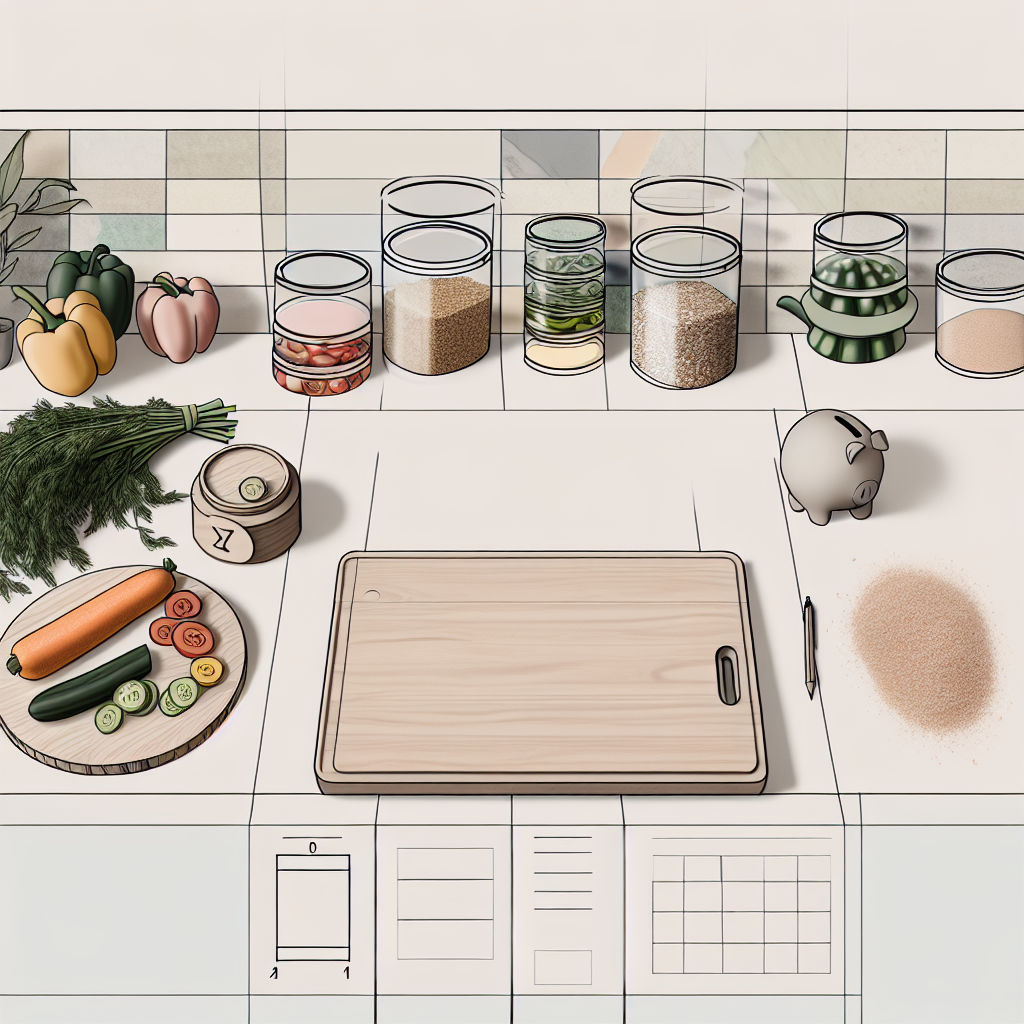
Meal prepping is an effective way to minimize food waste, save money, and make a positive environmental impact. By following these simple tips, you can significantly reduce the amount of food you throw away:
- Assess and Inventory Your Kitchen - Take stock of what you already have to avoid buying duplicates and plan meals around existing ingredients.
- Use the FIFO (First In, First Out) Method - Consume older products first to prevent food from expiring or spoiling.
- Optimize Your Meal Planning - Plan meals around leftovers and use tools to generate grocery lists based on what you need.
- Shop Smart with a List and Mindful Purchasing - Make a list, shop your pantry first, buy in bulk wisely, and choose imperfect produce.
- Embrace Imperfect Produce - Save money and reduce waste by choosing fruits and veggies that may look "ugly" but are still fresh and nutritious.
- Master Proper Food Storage Techniques - Use airtight containers, label with dates, and follow the "first in, first out" rule.
- Get Creative with Leftovers - Repurpose leftovers into new meals like soups, salads, and stir-fries.
- Portion Control Your Prep - Use smaller plates, measure portions, and drink water before meals to avoid overeating.
- Compost Organic Waste - Turn food scraps into nutrient-rich soil for your garden.
- Regularly Audit Your Meal Prep Habits - Identify patterns of waste and adjust your strategy accordingly.
By implementing these strategies, you can reduce food waste, save money on groceries, and contribute to a more sustainable planet.
1. Assess and Inventory Your Kitchen
Before you start meal prepping, take stock of what you already have in your kitchen. This helps you plan your meals and shop intentionally, reducing food waste and saving you money.
What you'll need:
- A notebook and pen or a digital organizer like the Coziapp
- A meal planning planner (optional)
- Cleaning supplies (if you want to clean and organize your kitchen at the same time)
Tips:
- Kill two birds with one stone by cleaning and cataloging at the same time. This may take a bit more time, but it's worth it to get your kitchen organized.
- Use bins, baskets, and jars to sort and store your items.
- If you already have an organization system that works, stick with it. If not, see how you can improve it.
By assessing and inventorying your kitchen, you'll be able to shop your own pantry, fridge, and freezer first, reducing food waste and saving time and money.
2. Use the FIFO (First In, First Out) Method
To reduce food waste and maintain food safety, use the FIFO method in your meal prep routine. This method ensures that older products are used before newer ones, preventing expired or spoiled food from being consumed.
How to Implement FIFO:
| Step | Action |
|---|---|
| 1 | Organize food products and ingredients to easily identify the oldest items. |
| 2 | Label each item with its receipt or production date. |
| 3 | Store food products to allow easy access to the oldest items. |
| 4 | Regularly check expiration dates and use-by dates. |
Benefits of FIFO:
- Reduces food waste by using older products before they expire or spoil.
- Maintains food safety by preventing the consumption of expired or spoiled food.
- Optimizes inventory management by using the oldest items first.
- Saves you money by reducing food waste and preventing the need to discard expired or spoiled food.
By using the FIFO method, you'll reduce food waste, maintain food safety, and optimize your meal prep routine.
3. Optimize Your Meal Planning
Meal planning is a crucial step in reducing food waste. It involves planning your meals for the week, considering what ingredients you already have, and making a grocery list accordingly. This approach helps you avoid buying unnecessary items, reduces the likelihood of expired or spoiled food, and ensures that you use up all the ingredients you purchase.
Plan Around Leftovers
Plan your meals around leftovers to reduce food waste. Identify ingredients that can be used in multiple meals and plan accordingly. For example, if you're cooking chicken for dinner, consider using the leftovers for lunch the next day or in a soup or salad later in the week.
Use Meal Planning Tools
Meal planning tools like apps and planners can help you optimize your meal planning. These tools allow you to plan your meals, generate grocery lists, and keep track of the ingredients you have in your pantry.
Consider Your Dietary Needs
When planning your meals, consider your dietary needs and restrictions. If you're vegetarian or vegan, plan meals that incorporate plant-based ingredients. If you have food allergies or intolerances, plan meals that avoid those ingredients.
Here are some tips to optimize your meal planning:
| Tip | Description |
|---|---|
| Plan around leftovers | Use leftovers in multiple meals to reduce food waste. |
| Use meal planning tools | Utilize apps and planners to plan your meals and generate grocery lists. |
| Consider dietary needs | Plan meals that accommodate your dietary needs and restrictions. |
By optimizing your meal planning, you can reduce food waste, save money, and ensure that you're eating healthy, nutritious meals.
4. Shop Smart with a List and Mindful Purchasing
Shopping smart is key to reducing food waste. By planning your meals and making a list, you can avoid buying unnecessary items and reduce the risk of expired or spoiled food. Here's how to shop smart:
Plan Your Meals and Make a List
Before you go to the store, plan out your meals for the week. This will help you identify what ingredients you need to buy. Make a list of the ingredients you need, and stick to it when you're at the store.
Shop Your Pantry First
Take stock of what you already have in your pantry before you go to the store. This will help you avoid buying duplicate items and reduce food waste.
Buy in Bulk Wisely
Buying in bulk can be a great way to save money, but it can also lead to food waste if you don't use the items before they expire. Be mindful of your storage space and only buy items that you know you'll use before they expire.
Choose Imperfect Produce
Many grocery stores now offer imperfect produce, which is produce that's perfectly edible but doesn't meet the store's cosmetic standards. Choosing imperfect produce can help reduce food waste and save you money.
Here are some tips to help you shop smart:
| Tip | Description |
|---|---|
| Plan your meals | Identify what ingredients you need to buy and stick to your list. |
| Shop your pantry first | Avoid buying duplicate items and reduce food waste. |
| Buy in bulk wisely | Only buy items that you know you'll use before they expire. |
| Choose imperfect produce | Reduce food waste and save money by choosing imperfect produce. |
By shopping smart with a list and a mindful approach, you can reduce food waste, save money, and eat healthier meals.
5. Embrace Imperfect Produce
Imperfect produce, also known as "ugly produce," refers to fruits and vegetables that are less than perfect in appearance but still edible and nutritious. By choosing imperfect produce, you can help reduce the millions of tons of edible produce that are wasted each year due to cosmetic standards.
Here are some benefits of embracing imperfect produce:
| Benefit | Description |
|---|---|
| Save money | Imperfect produce is often cheaper than perfect-looking produce. |
| Reduce food waste | By choosing imperfect produce, you're helping to reduce the amount of food that's wasted due to cosmetic standards. |
| Get creative with recipes | Imperfect produce can be just as delicious as perfect-looking produce, and it can also inspire creativity in the kitchen. |
Some tips for shopping for imperfect produce:
| Tip | Description |
|---|---|
| Look for stores that offer imperfect produce | Many grocery stores now offer imperfect produce, so be sure to check with your local stores. |
| Shop at farmers' markets | Farmers' markets are a great place to find imperfect produce, and you'll also be supporting local farmers. |
| Don't judge a fruit by its cover | Remember that imperfect produce may not look perfect, but it can still be delicious and nutritious. |
By embracing imperfect produce, you can make a big impact on reducing food waste and saving money. So next time you're at the grocery store, consider choosing some imperfect produce!
6. Master Proper Food Storage Techniques
Proper food storage techniques are crucial in reducing food waste and ensuring that your meal prep efforts don't go to waste. Here are some effective strategies to master:
Store Leftovers Correctly
Store all leftovers in leak-proof, clear containers or wraps. This helps to prevent air, moisture, and bacteria from spoiling your food. Follow the 'first in, first out' rule to ensure that older leftovers are consumed before newer ones. Refrigerate leftovers within two hours of cooking, and divide them into small, flat containers to cool faster.
Choose the Right Containers
Select containers that are airtight, durable, and easy to clean. Consider using BPA-free containers and freezer bags to ensure your meals are kept safe and retain their nutrients. For meal prep, use containers that can be easily reheated in the microwave or oven.
Label and Date Containers
Label each container with the contents and date to ensure you know what you have and how long it's been stored. This helps to prevent confusion and reduces the risk of consuming spoiled food.
Here are some key takeaways for mastering proper food storage techniques:
| Technique | Description |
|---|---|
| Store leftovers correctly | Use leak-proof, clear containers or wraps and follow the 'first in, first out' rule. |
| Choose the right containers | Select airtight, durable, and easy-to-clean containers that are BPA-free. |
| Label and date containers | Label each container with the contents and date to prevent confusion and reduce the risk of consuming spoiled food. |
By mastering proper food storage techniques, you can enjoy your meal prep creations for longer and reduce food waste. Remember to always check your fridge and freezer regularly to ensure that your stored food is still fresh and safe to eat.
7. Get Creative with Leftovers
Getting creative with leftovers is a great way to reduce food waste and save time and money. Here are some ideas to inspire you:
Turn Last Night's Dinner into Tomorrow's Lunch
Use last night's dinner as a starting point for tomorrow's lunch. For example, turn roasted vegetables into a hearty soup or use leftover grilled chicken to make a delicious salad.
Stash Vegetable Scraps
Keep a gallon zip-top bag in the freezer and add trimmings like carrot and fennel tops, ends of onions or leeks, tomato cores, and stems of herbs and greens. When the bag is full, defrost the contents, dump into a pot, and add water to cover. Simmer for 2 hours, strain, and you'll have a flavorful vegetable stock.
Get Inspired by Global Cuisine
Look to global cuisines for inspiration. For example, turn leftover rice into a Korean-style bibimbap or use leftover vegetables to make a hearty Indian-inspired curry.
Make a Leftover Mashup
Combine different leftovers to create a new meal. For instance, mix leftover pasta with roasted vegetables and top with a fried egg for a satisfying breakfast-for-dinner option.
Here are some more ideas to get you started:
| Leftover | New Meal Idea |
|---|---|
| Roasted chicken | Chicken salad or chicken soup |
| Mashed potatoes | Stuffed peppers or potato pancakes |
| Grilled vegetables | Vegetable soup or grilled vegetable wrap |
| Cooked rice | Fried rice or rice bowls |
By getting creative with leftovers, you can reduce food waste, save money, and enjoy a variety of delicious meals. So, don't be afraid to think outside the box and get creative with those leftovers!
8. Portion Control Your Prep
Portion control is a crucial aspect of meal prep. It helps reduce food waste and ensures you're consuming the right amount of nutrients. Here are some effective strategies to help you portion control your prep:
Use Smaller Dishes
Using smaller dishes can create an optical illusion, making your portions appear larger than they actually are. This trick can help you feel full with smaller portions, reducing the likelihood of overeating and food waste.
Measure with Your Hands
Your hands can be a great measuring tool. For example, a serving of protein is about the size of your palm, while a serving of vegetables is about the size of your fist. This method may not be exact, but it's a helpful guideline.
Drink Water Before Meals
Drinking water before meals can help reduce your appetite and prevent overeating. Additionally, it can help you distinguish between hunger and thirst, reducing the likelihood of consuming unnecessary calories.
Here are some additional tips to help you portion control your prep:
| Tip | Description |
|---|---|
| Eat slowly | Savor your food and eat slowly to avoid overeating. |
| Avoid distractions | Eat in a distraction-free environment to focus on your food and portion sizes. |
| Use a food scale | Measure your food using a food scale to ensure accurate portion sizes. |
By implementing these portion control strategies, you can reduce food waste, save money, and maintain a healthy diet. Remember, it's all about finding a balance and being mindful of your eating habits.
9. Compost Organic Waste
Composting is a simple way to reduce food waste and create a nutrient-rich soil amendment for your garden. By composting organic waste, you can divert a significant portion of your waste from landfills and create a valuable resource for your plants.
Choose a Composting Method
There are several composting methods to choose from, including:
| Method | Description |
|---|---|
| Upright bins | Airtight bins with a bottom to collect liquid fertilizer |
| Indoor composting bins | Easy to use and maintain, ideal for small spaces |
| Compost tumblers | Great for medium amounts of organic waste |
Add the Right Materials
Add a mix of "green" materials (food scraps, grass clippings, fresh leaves) and "brown" materials (dried leaves, twigs, shredded newspaper) to your compost pile. Avoid adding meat, dairy, and oily foods, as they can attract pests and create unpleasant odors.
By composting organic waste, you can reduce your environmental impact, create a valuable resource for your garden, and save money on fertilizers and soil amendments.
10. Regularly Audit Your Meal Prep Habits
Regularly reviewing your meal prep habits is crucial to reducing food waste and ensuring that your meal prep strategy is effective. By regularly assessing your meal prep habits, you can identify areas for improvement, adjust your strategy, and make informed decisions to minimize food waste.
Identify Patterns and Trends
Take a closer look at your meal prep habits and identify patterns and trends. Ask yourself:
| Question | Description |
|---|---|
| What types of food do I consistently waste? | Identify the types of food that you frequently throw away. |
| Are there any meal prep days or times when I tend to waste more food? | Determine if there are specific days or times when you tend to waste more food. |
| Are there any ingredients that I frequently purchase but rarely use? | Identify ingredients that you often buy but rarely use in your meal prep. |
Adjust Your Strategy
Based on your audit, adjust your meal prep strategy to reduce food waste. Consider:
| Adjustment | Description |
|---|---|
| Meal planning | Plan your meals around ingredients that are approaching expiration or are frequently wasted. |
| Portion control | Adjust your portion sizes to reduce waste and ensure that you're using up all ingredients. |
| Ingredient substitution | Identify ingredients that can be substituted with others to reduce waste and optimize usage. |
By regularly auditing your meal prep habits and adjusting your strategy, you can minimize food waste, reduce your environmental impact, and save money on groceries.
Conclusion
Reducing food waste through mindful meal prep is a crucial step towards a more sustainable kitchen. By implementing the strategies outlined in this article, you can minimize food waste, save money on groceries, and contribute to a healthier planet.
Key Takeaways
Here are the main points to remember:
| Strategy | Description |
|---|---|
| Regularly audit your meal prep habits | Identify patterns and trends to reduce food waste. |
| Adopt the FIFO method | Use older products before newer ones to prevent expired or spoiled food. |
| Optimize your meal planning | Plan meals around ingredients you already have to reduce waste. |
| Embrace imperfect produce | Choose imperfect produce to reduce food waste and save money. |
| Master proper food storage techniques | Store food correctly to prevent spoilage and waste. |
| Get creative with leftovers | Use leftovers to create new meals and reduce waste. |
| Compost organic waste | Turn food scraps into nutrient-rich soil for your garden. |
By following these simple strategies, you can make a significant impact on reducing food waste and creating a more sustainable kitchen. Start your meal prep journey today and join the movement towards a waste-conscious kitchen!
FAQs
How to Meal Prep Without Wasting Food?
To avoid wasting food while meal prepping, follow these simple tips:
| Tip | Description |
|---|---|
| Prepare ingredients in advance | Chop or slice vegetables to use later in cooking. |
| Store food in clear containers | Easily see what's inside to avoid forgetting about food. |
| Create an "eat first" bin | Designate a bin in your fridge for food that needs to be used before it spoils. |
What is a Zero Waste Diet?
A zero waste diet is a meal plan that focuses on reducing food waste while saving time and money. It helps you be mindful of what you have in your kitchen, so you're less likely to waste food.
By following these simple strategies, you can reduce food waste and create a more sustainable kitchen.